THE SHIBA INU · PART 3 More Than a Pretty Face: A breeder's look at traditional Japanese type, proportions, structure and character
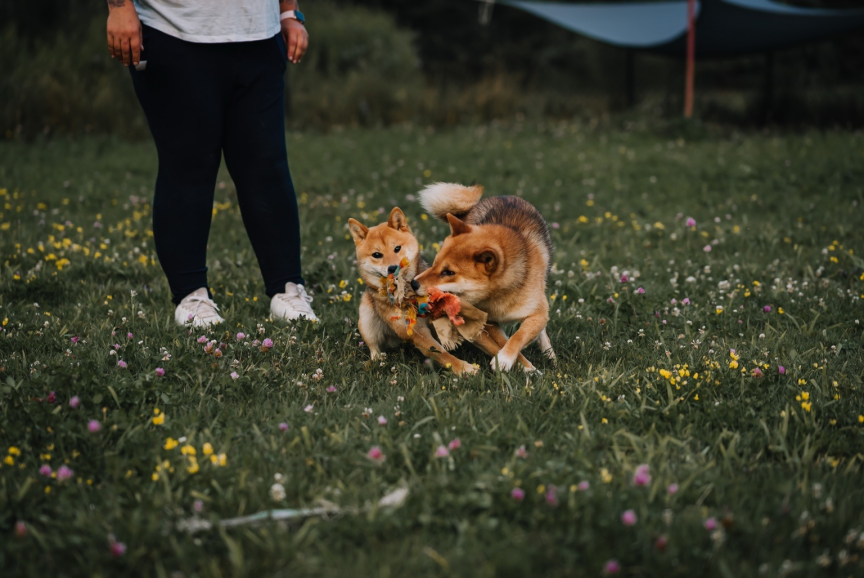
Let's be honest: the Shiba's face does a lot of the marketing for it. Those little triangular ears, clever eyes and curled tail are hard to resist. But if we stop there, we're missing the dog.
A proper Shiba is much more than a cute expression or a beautiful coat. The whole picture matters: proportions, bone, head, movement, coat and temperament. Everything should come together naturally, without one feature trying to steal the show.
A breed standard can sound like a long list of measurements and show-ring terms. It is useful to remember why those details are there in the first place: to describe the kind of dog the breed is meant to be. For the Shiba, that means a compact, balanced, capable little Japanese dog with a very particular presence.
So let's look at the Shiba the way a breeder should: not as a collection of pretty parts, but as one complete dog. And yes, we'll get into the measurements. I promise not to make you feel like you're sitting an exam.
1. Breed type: the whole dog, not one Instagram angle
Breed type is what makes you look at a dog and say, 'That's a Shiba.' It isn't one magic feature. It's the combination of the outline, head, ears, tail, coat, movement and temperament.
We all have our favourite features. Maybe it's a lovely head, a beautiful red coat or that perfect little curl over the back. But a gorgeous head cannot fix poor construction, and a lovely outline cannot make up for an unsound temperament. When we're evaluating a Shiba, we have to step back and look at the entire dog.
The breed's popularity has brought plenty of attention, but it has also brought trends. Some features photograph beautifully and can become exaggerated when people start chasing a particular look. That's where breeders need to keep their heads. We're not breeding the next internet sensation; we're preserving a Japanese breed.
2. Proportions: getting the Shiba's outline right

The NIPPO translation describes the Shiba's height-to-length proportion as 100:110. In everyday terms, the body is a little longer than the dog is tall. That gives the Shiba its compact, slightly rectangular outline without making it look long and low.
The translated NIPPO standard gives a standard height of 39.5 cm for males and 36.5 cm for females, with a tolerance of 1.5 cm. These figures are useful reference points, but always keep the source in mind: registry standards and judging systems are not interchangeable. In this section, we're discussing the NIPPO measurements from the document we're using.

What should you see when you look at a Shiba standing naturally? Balance. Not a square little block, not a stretched-out dog, and certainly not a silhouette created by clever grooming or posing. The proportions should look right before anyone starts arranging the feet for a photograph.
3. The head: that unmistakable Shiba expression


The head is often what first wins people over. We understand why. But the familiar Shiba expression comes from the relationship between several features: a broad forehead, well-developed cheeks, a firm muzzle, a moderate stop and correctly placed ears and eyes.
The eyes are relatively small and triangular, usually dark brown, and the ears are small, triangular and firmly erect, with a slight forward inclination. Put those pieces together and you get that alert, confident expression. It should look like a Shiba—not like someone has tried to make a puppy face last forever.

There is a difference between a characteristic head and an exaggerated one. Shorter is not automatically better, rounder is not automatically sweeter, and more coat around the cheeks does not create a better type. The goal is a balanced, unmistakably Shiba head.
4. The tail: the famous curl has a job to do

The Shiba's tail is part of its outline, not a decorative accessory. It is set high, carried curled or in a sickle shape, and should have enough substance to balance the rest of the dog.
A lovely curl catches the eye, of course. But don't judge the dog from the tail backwards. Set, carriage and shape need to fit the whole body. A spectacular tail cannot rescue weak construction any more than a beautiful bow can fix a badly wrapped present.
5. Coat and colour: beautiful, yes. The whole point? No.


The Shiba has a double coat: a straight, harsh outer coat and a soft, dense undercoat. It is a practical coat, built to protect the dog. It should not become so excessive that it hides the outline or changes the impression of the dog.
 IN COAT |
 OUT OF COAT |
The NIPPO, FCI and other registry standards describe colours using their own wording and categories, so it's important not to mix those descriptions casually. The familiar colours include red, sesame and black and tan. Sesame has specific requirements; it does not simply mean a red dog with a few dark hairs sprinkled through the coat.
Urajiro is the characteristic whitish or cream shading found in particular areas of the Shiba's coat. It helps create the traditional colour pattern, especially on the muzzle and cheeks, under the jaw, neck, chest, belly and inner legs. The exact descriptions differ between colour varieties and standards.
And here's the point: colour should never become the main event. We can admire a beautiful red, sesame or black-and-tan Shiba without forgetting what sits underneath the coat. Structure, soundness and temperament matter far more than chasing the shade that happens to be popular this season.
6. Movement: the truth comes out when the dog walks


A Shiba can look wonderful standing still. Then it takes a few steps and tells you a lot more. Movement helps us see whether the dog's construction works together, and whether it can move with the light, agile and efficient action expected of the breed.

Look for balance and coordination rather than a dramatic performance. The dog should not be restricted, paddling, rolling excessively or struggling to keep a steady rhythm. One short movement around a ring is not a diagnosis, but it is an important part of evaluating the whole dog.

The Shiba's history as an agile dog working in demanding terrain makes sound construction more than a show-ring detail. We want a dog that is built to move comfortably and efficiently—not one that only looks impressive when standing still.
7. The standard describes character, too


A Shiba is not just a pretty outline with a curled tail. The NIPPO preservation tradition places great importance on character, often discussed through the qualities kan-i, ryosei and soboku. These ideas are part of what makes the Japanese approach to the native breeds so meaningful.
The words are difficult to translate neatly. They are commonly explained through ideas such as spirited dignity or boldness, good nature, and natural simplicity. They belong together; they are not three tricks a dog should perform on command.
Anyone who lives with a Shiba knows independence is part of the package. They notice everything, have opinions about household decisions and can be remarkably selective about when your suggestion deserves consideration. But independence is not the same as fearfulness, instability or aggression. A sound, confident temperament matters just as much as correct structure.


8. NIPPO, the show ring and understanding the difference
Shibas are assessed under different kennel-club systems around the world. The CKC, FCI, AKC and NIPPO traditions share an interest in preserving the breed, but their standards and judging approaches are not identical. That matters when we're discussing measurements, colour descriptions or particular points of construction.
NIPPO has a special place in this story because it was established around the preservation of Japan's native dogs. Its approach asks us to understand the Shiba as part of a Japanese cultural and breeding tradition—not simply as a popular companion dog or a show-ring style.
 |  |
As breeders, we should know the standard we're working under and understand where its descriptions come from. In this article, we're using the English NIPPO document you supplied as our reference for the Japanese perspective. It identifies itself as an unofficial translation, so the original Japanese material remains the authority where wording needs clarification.


At Last Samurai Kennel, we don't believe one perfect photograph or one winning feature tells the whole story. We look at the dog in front of us: health, temperament, structure, movement and the qualities that make it recognizably a Shiba Inu.
Preservation doesn't mean pretending every dog from the past was perfect or refusing to let a breed live in the modern world. It means understanding what makes the breed distinct and making careful choices so those qualities are not lost through fashion, shortcuts or careless selection.
We want the Shiba to remain balanced, capable, confident and unmistakably Japanese. Not a caricature built around one colour, one expression or one exaggerated feature.
A final thought from Last Samurai Kennel
The more time you spend with Shibas, the more you realize that the little details only make sense when you look at the whole dog. The outline, head, ears, tail, coat, movement and temperament all belong in the same picture.
Of course, we love a beautiful Shiba. We're breeders; we'd be lying if we said otherwise. But beauty should come from correct type and balance, not from chasing whatever look is getting attention this year.
Our job is to understand the breed well enough to make thoughtful decisions for the next generation. That's what preservation means to us—and it's why Japan still matters.

Comments